Design Review: Baseball and Glove Embroidery for Craft Fair Success
When preparing products for a weekend craft fair, every machine embroidery design you choose is a business decision. It’s about balancing visual appeal with practical production. Today, I’m reviewing the Baseball and Glove Machine embroidery design from the perspective of setting up a booth filled with handmade, giftable items.
First Impression: Bold, Nostalgic, and Universally Recognizable
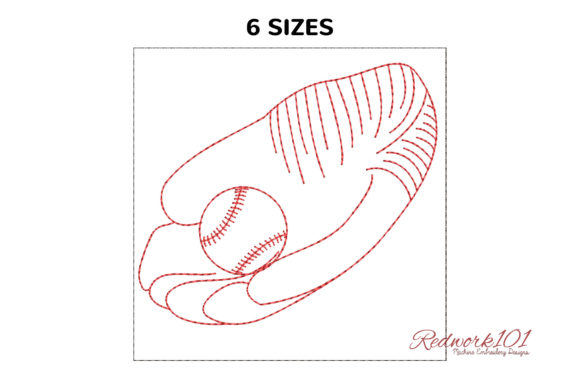
The Baseball and Glove Machine design immediately strikes a clear, classic tone. It’s not cute or whimsical; it’s bold and nostalgic. This is a strong advantage in a crowded marketplace. At a glance, customers recognize the theme—it taps into a deep well of sports enthusiasm and Americana. This clarity is crucial for fast-paced craft fair environments where buyers make quick decisions. The design feels premium when executed with clean stitches, and it carries a decorative, yet masculine, energy that can stand out among more feminine or rustic offerings.
Product Application: Where This Design Shines and Sells
Your choice of final product dramatically affects how this embroidery file performs. Let’s walk through the typical craft fair inventory.
Tote Bags and Market Bags
On a tote bag, the Baseball and Glove Machine design becomes a focal point. Its size should be substantial to command attention. The bold graphic works beautifully on neutral canvas or denim. It elevates a simple bag into a statement piece for sports fans, potentially increasing its perceived value.
Aprons and Kitchen Towels
For aprons and tea towels, this design leans more decorative. On an apron, positioned on the chest or pocket, it creates a themed, gift-ready product. On a tea towel, consider the fabric texture; a smoother linen or cotton blend will showcase the stitches better than a highly textured towel. The design’s density needs a good stabilizer here to prevent puckering.
Caps and Patches
This is a potentially excellent application. A Baseball and Glove Machine embroidered directly onto a cap is a natural fit. Be mindful of the curved surface; a smaller hoop size adaptation might be necessary. As a standalone patch, it offers versatility. Customers love patches for jackets, bags, and gifts. This design, as a patch, is a ready-made small shop product with high appeal.
Pillow Covers, Pouches, and Gift Items
On a pillow cover, this design injects a sporty, rustic-decorative vibe into a home. On smaller fabric pouches or key fobs, it becomes a charming accent. Its success as a small accent versus a large focal point depends entirely on the final stitch size. For batch production, these smaller applications can be quicker and more cost-effective.
Practical Production & Selling Points for the Maker
Beyond aesthetics, we must consider the hands-on reality of turning this digital embroidery file into a profitable craft fair product.
Understanding at a Glance and Photographing Well
The design’s simplicity is a major selling asset. Customers understand it instantly, which is half the battle. For your Etsy listings or printable mockups, it photographs beautifully. The clear shapes and likely contrast in thread colors make for crisp images that convey handmade quality online.
Batch Production and Repeatability
For commercial embroidery at a fair, you want designs that are reliable and repeatable. The Baseball and Glove Machine design, assuming a reasonable stitch count and manageable density, looks ideal for batch production on items like patches or towels. Its consistent shape means less chance of errors across multiple hoppings.
Careful-Use Notes: Attention to Detail Ensures Quality
Always approach a new design with a professional’s caution. Here are specific points to test before your fair.
- Stitch Density: Sports designs often have solid fill areas. Test on scrap fabric first. High density on thin or stretchy fabrics can cause puckering. Use the correct stabilizer.
- Small Details and Lettering: The description notes "The Box Stitch shown in picture is optional." This is a critical production choice. If the outer box is part of the design, check its detail level. Small lettering or tiny lines can lose clarity on textured fabrics like towels or on dark fabrics if thread contrast is low.
- Scale and Clarity: How small can you go? If you want to use this as a small accent on a pouch, test a reduced size. Some designs lose definition when miniaturized. Confirm the minimum hoop size that maintains clean edges.
- Thread Color and Contrast:The description mentions the box color varies. This implies you control the thread palette. Choose colors that pop against your final product fabric. On a dark cap, light threads are essential. Always create at least one real mockup on the actual fabric you’ll sell.
Booth Strategy: Driving Customer Engagement and Sales
How does this design function within your overall booth display?
The Baseball and Glove Machine embroidery creates a strong thematic anchor. Group products featuring it together—a cap, a tote, and a patch on display can tell a cohesive story and attract sports-minded buyers. It adds a category of "sports" or "team spirit" to your brand consistency, broadening your appeal. Its boldness helps it catch the eye from a distance, especially on larger items like pillow covers or bags hung on display.
For buyer engagement, it’s a conversation starter. It’s specific enough that customers might share stories about baseball, making the sale more personal and memorable. This connection enhances the perceived value of your handmade product.
Final Designer Checklist Before Production
As an experienced embroidery designer, my last step before committing any design to production is a practical review. For the Baseball and Glove Machine design, here is your essential list.
- Test on Scrap: Hoop it on a scrap of your intended selling fabric. Check for stitch density issues, thread tension, and overall cleanliness.
- Confirm Commercial Use: Verify your license for this digital embroidery file allows for commercial embroidery and selling finished products at craft fairs or online.
- Compare Fabric Colors: Run tests on both light and dark versions of your base material to ensure the thread colors you select work in all scenarios.
- Review Spacing and Hoop Size: Ensure the design fits comfortably within your preferred hoop for your chosen product, leaving room for clean framing.
- Create a Real Booth Sample: Make one finished, high-quality product exactly as you’ll sell it. This is your best reference for production and your most powerful display item.
The Baseball and Glove Machine embroidery design holds significant potential for craft fair sellers and handmade shop owners. Its recognizable theme, bold aesthetic, and adaptability across products make it a contender for driving sales. By paying close attention to the practical embroidery details and aligning it with the right products, you can transform this file into a lineup of profitable, appealing handmade gifts that capture customer attention and celebrate the spirit of the game.