A Ballerina Embroidery Design I'd Actually Use
I've downloaded countless embroidery files over the years, and the first thing I do is look at them with a professional eye—not just as a cute image, but as a functional design that needs to translate into a real, stitched product. When I evaluate "Little Girl Doing Ballerina," I'm thinking about the final project: how will it look on fabric? What will the stitch-out feel like? And most importantly, will it delight a customer or make a gift special? Let's walk through that judgment.
The First Impression: Sweetness with a Practical Layout
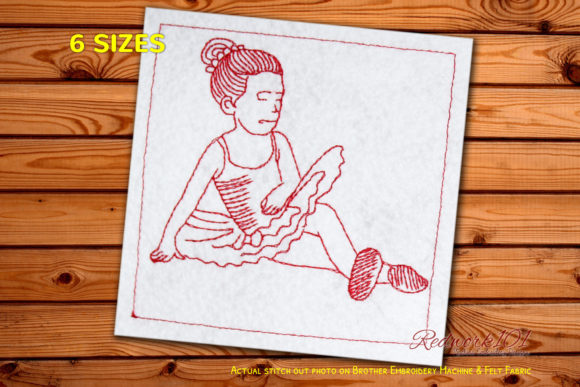
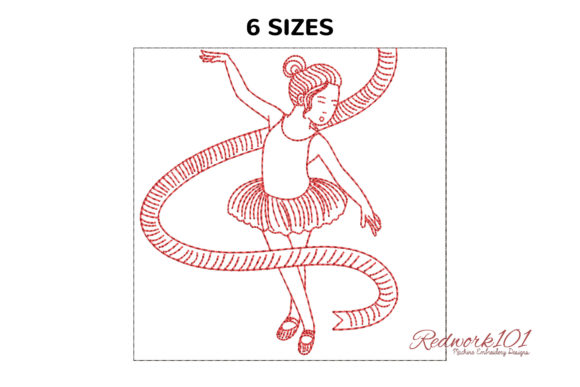
This design immediately strikes a mood of gentle, classic sweetness. It’s not overly flashy or modern; it has a timeless, nostalgic quality that feels perfect for heartfelt projects. The shape is contained, which is a huge plus from a technical standpoint. A contained, balanced layout like this means it's predictable in the hoop—it won't sprawl unexpectedly or demand excessive stabilizer. The detail level appears thoughtful: enough to define the ballerina's form and pose, but likely without so much density that it becomes a wrestling match on delicate fabrics. This visual personality leans towards giftable, personal, and warm. It naturally belongs on items meant to convey care and charm.
Where This Ballerina Finds Her Perfect Stage
In real-life embroidery situations, this design has clear strengths. For custom apparel, think of a child's sweatshirt or a baby's blanket—the scale and theme are ideal. It would be beautiful as a focal point on a tote bag for a dance student or a mother. As an embroidered patch, it could be applied to a backpack or jacket. For home goods, imagine it centered on a pillow cover in a nursery or delicately stitched onto a kitchen towel as a special gift for a grandmother. Its appeal is broad but targeted: it’s perfect for boutique merchandise aimed at parents, for holiday gifts like personalized Christmas stockings, or for Etsy listings offering custom baby items.
For commercial embroidery projects, such as a small batch of caps for a local dance studio or aprons for a ballet-themed event, the design offers recognizable, professional appeal without being overly complex to run multiple times. In printable mockups and digital product previews, this clean, iconic shape would present well, helping sell the idea to a client before the needle even touches the fabric.
The Practical Considerations: Where to Use Caution
Every design has its ideal applications and its tricky ones. For "Little Girl Doing Ballerina," I would proceed carefully on very small hoop sizes. If the design elements are finely detailed, shrinking it too much might lose clarity in the ballerina's definition. Textured fabrics like thick towels or looped materials could obscure the softer lines. On thin or stretchy fabric, you'll need to be meticulous with your stabilizer choice to prevent puckering, especially if any fill stitch areas are present.
On dark fabric, a thorough thread color contrast review is essential—you might need to adjust the suggested palette to ensure the ballerina pops. For curved surfaces like caps, the contained shape is again a benefit, but you must inspect the design file for any tiny, dense corners that could distort on the curve. And for products destined for frequent washing, such as baby clothes, you'd want to test the stitch density and durability on a scrap first to ensure longevity.
How This Design Translates to Value and Trust
The visual appeal of a well-executed "Little Girl Doing Ballerina" stitch-out directly impacts perceived product value. A clean, crisp embroidery with clear details suggests quality craftsmanship, which builds customer trust. For handmade presentation, this design contributes a cohesive, intentional look—it doesn't feel randomly chosen. That consistency aids brand identity for a small shop product. Its inherent giftability is high; it tells a story and feels personal. This recognition factor—a clear, sweet ballerina—engages buyers emotionally, which is often the difference between a glance and a purchase.
Embroidery Designer Notes Before You Hoop It
My practical advice, based on years of turning digital embroidery files into finished products, is always to test first. Run "Little Girl Doing Ballerina" on scrap fabric of the same type you plan to use. This reveals everything: thread color interaction under real light, actual stitch density, and whether small details like facial features or delicate limbs stitch out cleanly.
Check it in black and white mockups to gauge its form independent of color. Compare how it looks on a light and dark fabric background in your software preview—this helps plan thread changes. Using proper stabilizer is non-negotiable for maintaining this design's integrity. Crucially, confirm the licensing terms for this specific machine embroidery design before integrating it into commercial embroidery or selling finished items. The product description mentions an optional box stitch, noting the color of the outer box can vary. This is a practical heads-up—in your test, decide if that element serves your project or if you'll omit it to keep the focus purely on the ballerina figure.
Finally, consider the end-use. If you're creating a holiday gift, like an embroidered tea towel, this design's charm is a direct asset. If you're an apparel decorator planning it for a child's t-shirt, think about placement and size relative to the garment. For craft fair products, its universal sweetness makes it a strong candidate for quick, appealing mockups that draw attention. "Little Girl Doing Ballerina" is more than a digital embroidery file; it's a design asset that, with thoughtful application, becomes a product filled with meaning and craftsmanship.