A Poignant Ballet Design for Crafting Emotional Gifts
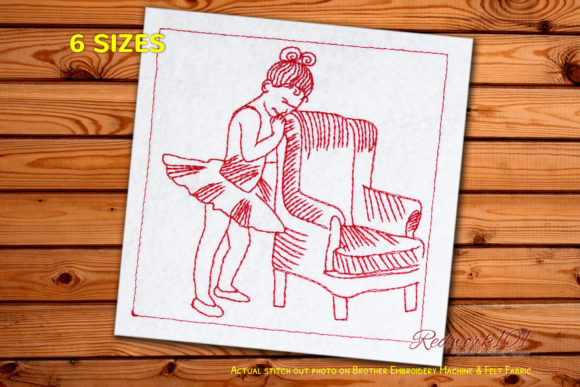
Let’s talk about the Sad Ballerina Standing with Chair embroidery design. This isn't just a dance motif; it's a mood piece. My first impression was immediate: this design carries a narrative weight. The solitary figure, the chair as a prop—it feels introspective, melancholic, and artistically resonant. For anyone crafting gifts or products with an emotional core, this design speaks volumes without needing words.
Where This Design Finds Its Perfect Stage
Thinking about real projects, this design naturally belongs to items where sentiment is the star. I envision it beautifully rendered on a custom-embroidered pillow cover for a dancer’s bedroom, a subtle detail on a tote bag for a ballet student, or as a thoughtful, personalized gift for a performance teacher. It has a quiet elegance that elevates simple products. For small shop owners, imagine this on a premium sweatshirt or a linen apron—it moves the item from generic to gallery-like. Its thematic strength makes it a standout for boutique merchandise, especially around themes of art, perseverance, or nostalgia.
The Practical Stitch: Navigating Real Embroidery Projects
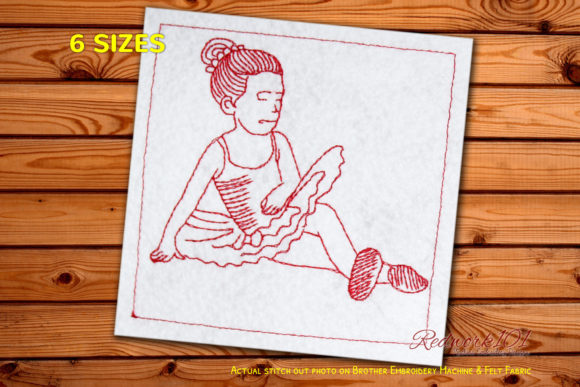
From an embroidery machine perspective, the design's composition is clean. The optional outer box stitch mentioned in the description is a key note. In most cases, that box will be a different color, acting as a frame. You can absolutely skip it, which I recommend for a softer, more integrated look on apparel like t-shirts or baby blankets. Without the box, the ballerina and chair become the sole focus, which often increases the emotional impact.
For successful stitching, consider the detail level. The chair and the ballerina’s form likely utilize fill stitches and satin stitches for definition. On textured fabrics like sweatshirts or towels, ensure you use proper stabilizer to keep those details crisp. On dark fabric backgrounds, thread color contrast is crucial—a test run on scrap fabric is essential to see if lighter shades pop adequately. For projects like caps or curved surfaces, check the design’s orientation and density; a very dense stitch area might not conform well to a curved seam.
A Real-Life Scenario: Crafting a Memorial Gift
Imagine a client requests a commemorative gift for a retired dancer. You're preparing a custom embroidered tea towel or a framed patch. The Sad Ballerina Standing with Chair fits perfectly. Its inherent mood aligns with reflection and memory. In stitching, you’d likely omit the box stitch to keep the presentation intimate. Using a high-quality thread on a smooth, light-colored linen would make every stitch of the figure clear, adding tangible value and a profound sense of care to the handmade product. This is where a design transcends decoration and becomes a story.
Caution Areas for Optimal Results
This design should be used carefully on very small hoop sizes. The details of the chair and the ballerina’s posture need space to be legible. Stitching it tiny on a baby garment’s cuff might lose its narrative clarity. Also, on stretchy fabric like certain t-shirts, the longer satin stitches that might define the ballerina’s tutu or the chair legs could be prone to puckering without robust stabilizer. For products needing frequent washing, such as kitchen towels or aprons, test the stitch density—overly dense areas can feel stiff and wear differently over time.
Always test the embroidery file on a similar fabric to your final product first. Check how small details, like the connection points between the figure and the chair, stitch out. Compare it in black and white mockups to gauge its form on both light and dark backgrounds. This step is vital for professional results and customer trust.
Elevating Your Craft Business with This Design
For creative entrepreneurs, this Sad Ballerina Standing with Chair machine embroidery design is a versatile digital asset. It can anchor a line of dance-themed products in your Etsy shop or craft fair table. Its unique mood can attract a specific customer looking for more than a generic ballet slipper design. For apparel decorators, it offers a way to provide clients with deeply personalized items. The finished product feels curated, which enhances brand consistency for makers focused on artistic themes.
Its giftability is high for occasions like holidays, weddings (for a dance-loving friend), or as nursery decor for a child with a ballet-themed room. The recognition factor is strong—it’s clearly a dance design, but with a distinctive, story-driven angle that engages buyers looking for meaning.
Final Designer Notes Before You Hoop
Before running this design for commercial embroidery or a personal project, confirm the practical details not provided here. Check the specific file formats, exact hoop size recommendations, and the license terms for selling finished items or digital products. Use proper stabilizer for your chosen fabric, and plan your thread colors thoughtfully—the mood can shift with a vibrant palette versus a monochromatic one. This design, when stitched with attention, can turn a simple tote bag, pillow cover, or baby item into a poignant, professional-looking piece of craft. It’s a design that asks for a thoughtful application, and in return, it delivers a deeply resonant finished product.